close menu icon

Jeunes Sans Frontières Elementary School

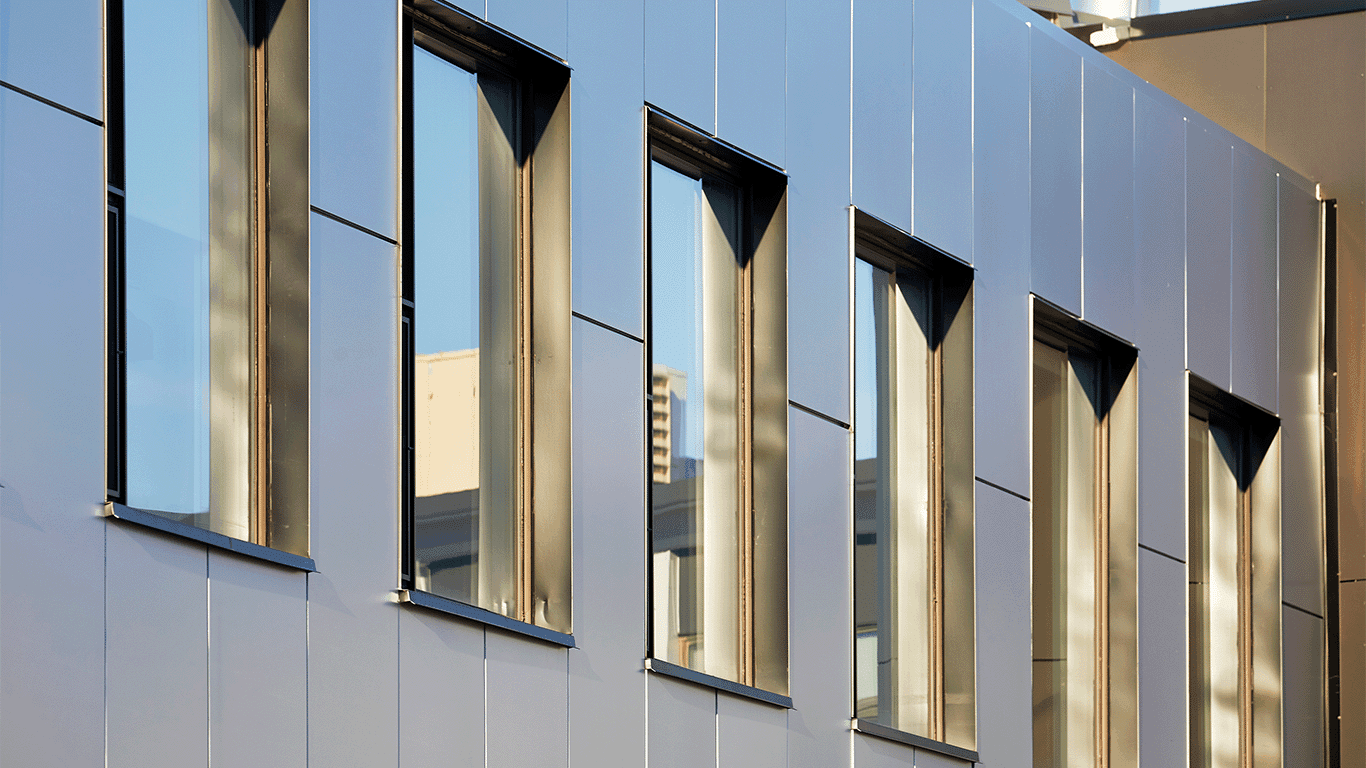
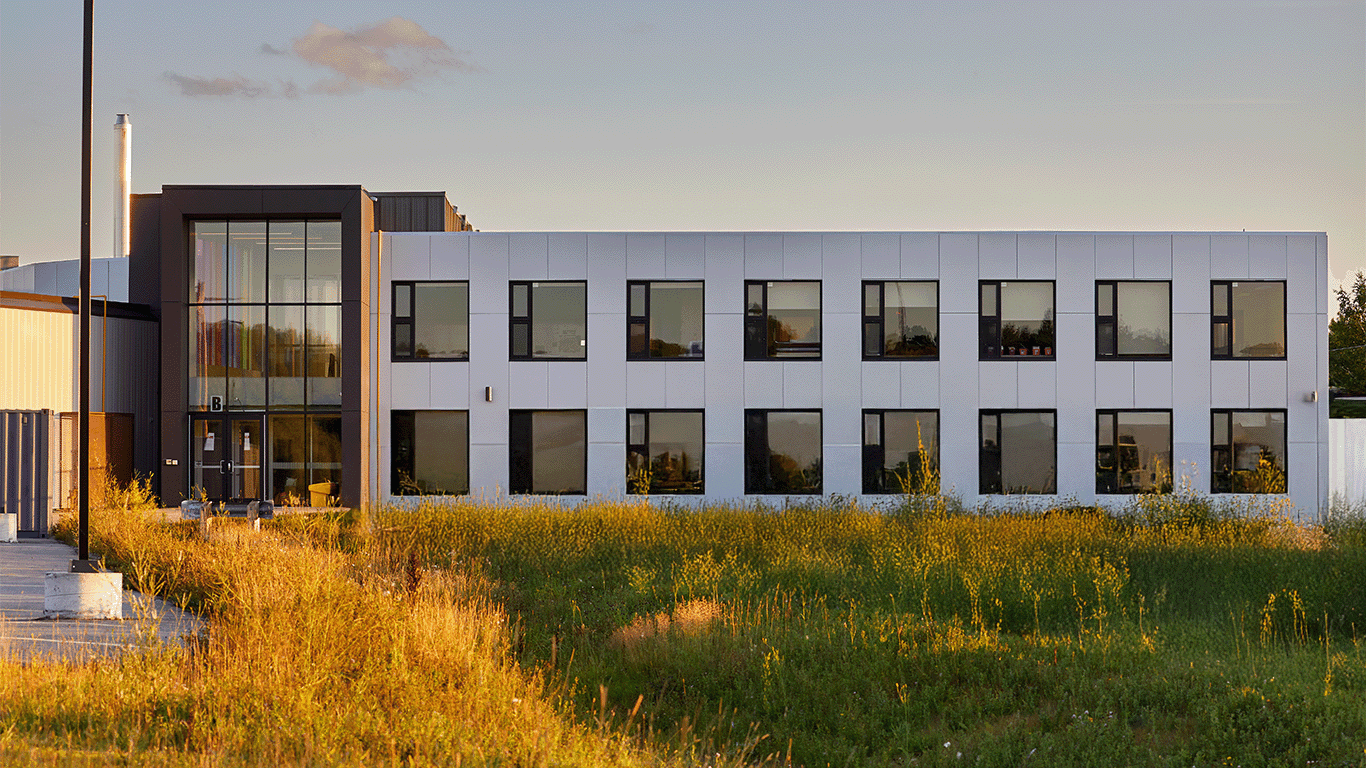
This educational expansion project adds a 13,000-sf second floor to an existing high school to accommodate over 200 Grade 7 and 8 students. The program includes nine classrooms that integrate advanced teaching and learning technologies, complemented by wide corridors designed to foster social interactions. These corridors feature built-in seating areas strategically placed between banks of lockers, creating inviting spaces for student engagement, while a generous three-dimensional clerestory window floods the corridor with natural light.

Due to the congested nature of the site, we first undertook a feasibility study to explore several potential options for expanding the facility above different sections of the existing building. Our comprehensive study explored the structural limitations of the existing building and soil, access to the addition from the rest of the school, phasing and construction logistics, and the estimated construction costs. To accomplish the construction, we leveraged staff areas in the current building to achieve a phasing strategy that minimized classroom disruptions

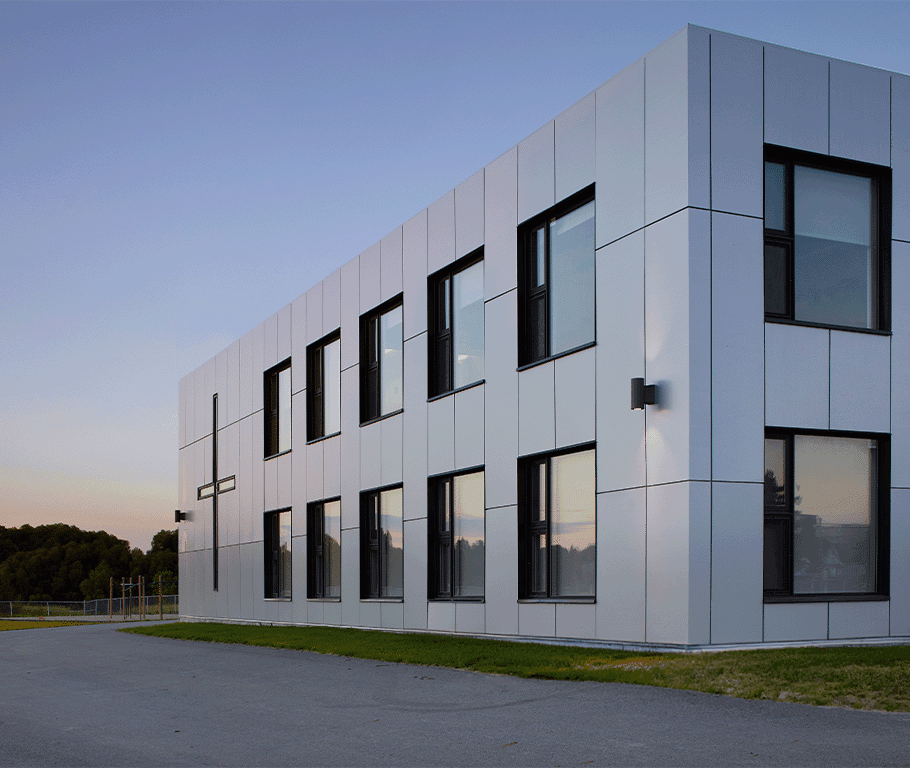
The final design responds to existing structural conditions and optimizes circulation. Because the addition sits above and adjacent to existing structures that were not originally intended to support a second storey, we pursued specific structural and material strategies to minimize cost and maximize efficiency. The second floor combines precast concrete with existing masonry to reduce the thickness of the structure and provide fire resistance. The second floor roof is supported by a largely separate steel structure to allow for long spans and maximize the flexibility of the column grid while minimizing further load on the existing ground floor structure and minimizing underpinning.

Project Information

Type
Education
Location
Brampton, ON
Client
CS Viamonde
Year
2023
Size
13,168 sf

Team
Tania Bortolotto, OAA, ARIDO
Alex Horber, OAA
Sarah Fourie, Designer
Elaine Welsher, OAA Intern
Yukun Bai, Junior Architect


Père-René-de-Galinée Catholic Secondary School

The scope of this expansion project, which added several new standard and specialized classrooms to the existing high school, also entailed significant modifications to the site with respect to grading and circulation. The site plan required the accommodation of increased bus traffic, preservation of pathways to the school’s track and adjacent fields, and rerouting of an existing swale that was serving as a drainage corridor for numerous neighbouring properties and protecting a river course on the opposite side of the site. 

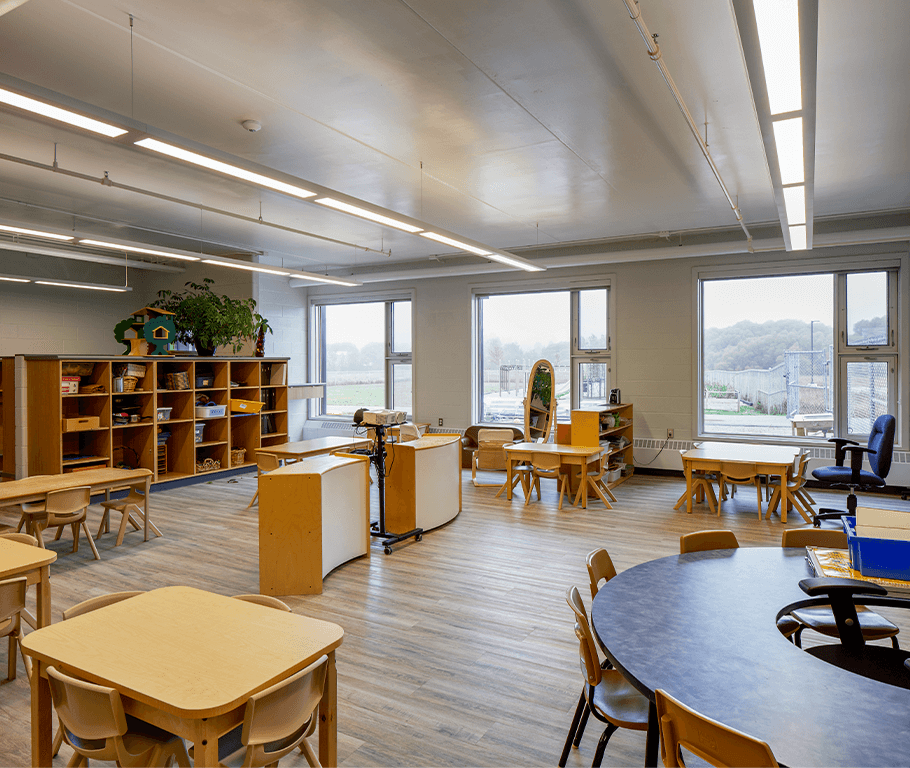
Eschewing traditional and rigid classroom layouts in favour of more dynamic and versatile spaces, our design supports various teaching methods, individual study, collaboration, experiential learning, and socializing. Contemporary classroom design should result in social and learning condensers and encourage the creation of meaningful relationships and lifelong memories.

After exploring various schemes to execute this complex brief, which required reimagining significant outdoor components, we adopted a long double-loaded plan. This allowed us to preserve existing paths across the rear of the site through a crossing corridor that enables easy access from parking areas to the gymnasium and out to the existing athletic field. Views of the adjacent river and rural landscape are framed by large windows and high ceilings in the classrooms and corridors.

Project Information

Type
Education
Location
Cambridge, ON
Client
Mon Avenir
Year
2021
Size
21,627.60 sf

Team
Tania Bortolotto, OAA, ARIDO
Alex Horber, OAA
Sarah Fourie, OAA Intern
Bijan Ghazizadeh, OAA Intern
Elaine Welsher, OAA Intern


Master of Mathematical Finance

The MMF Department at the University of Toronto embarked on a growth trajectory to advance its mission and expand student enrollment by establishing two new distinct student streams: one dedicated to Executive Training and another focused on fostering collaborative industry partnerships and projects, extending the success of the MMF internship program. 

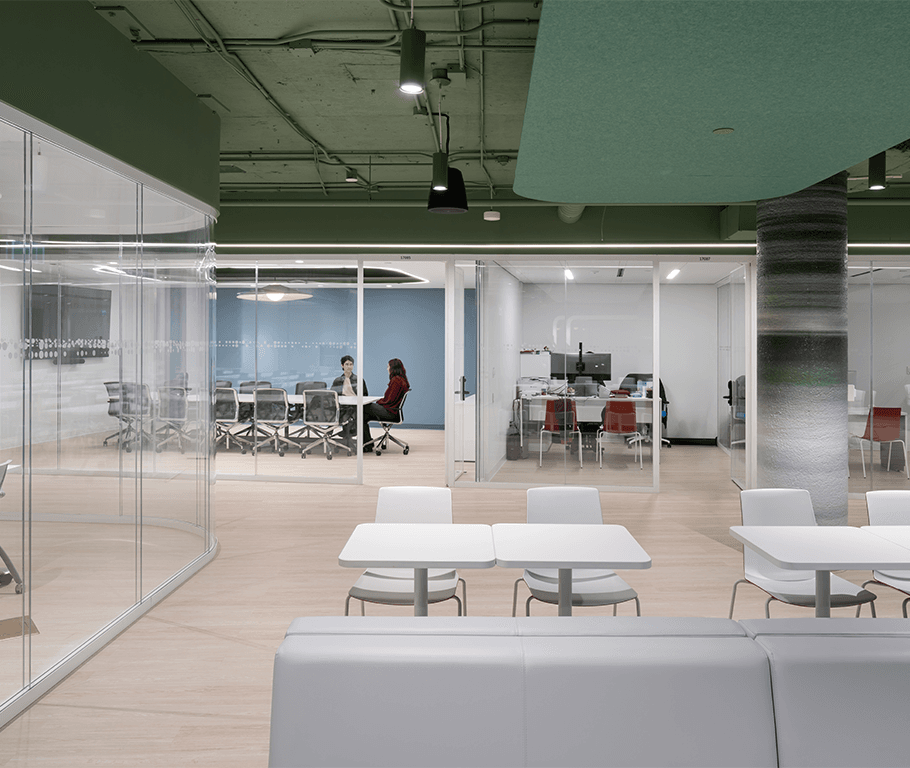
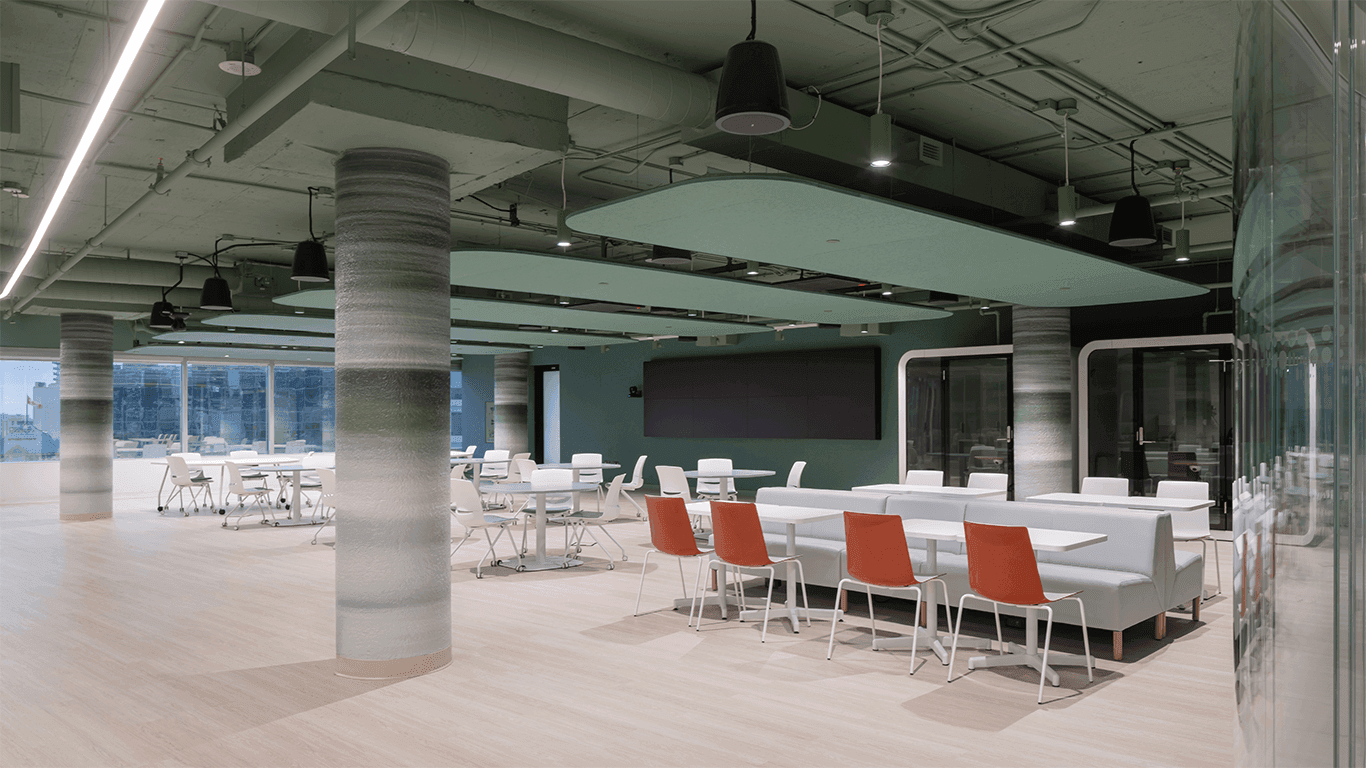
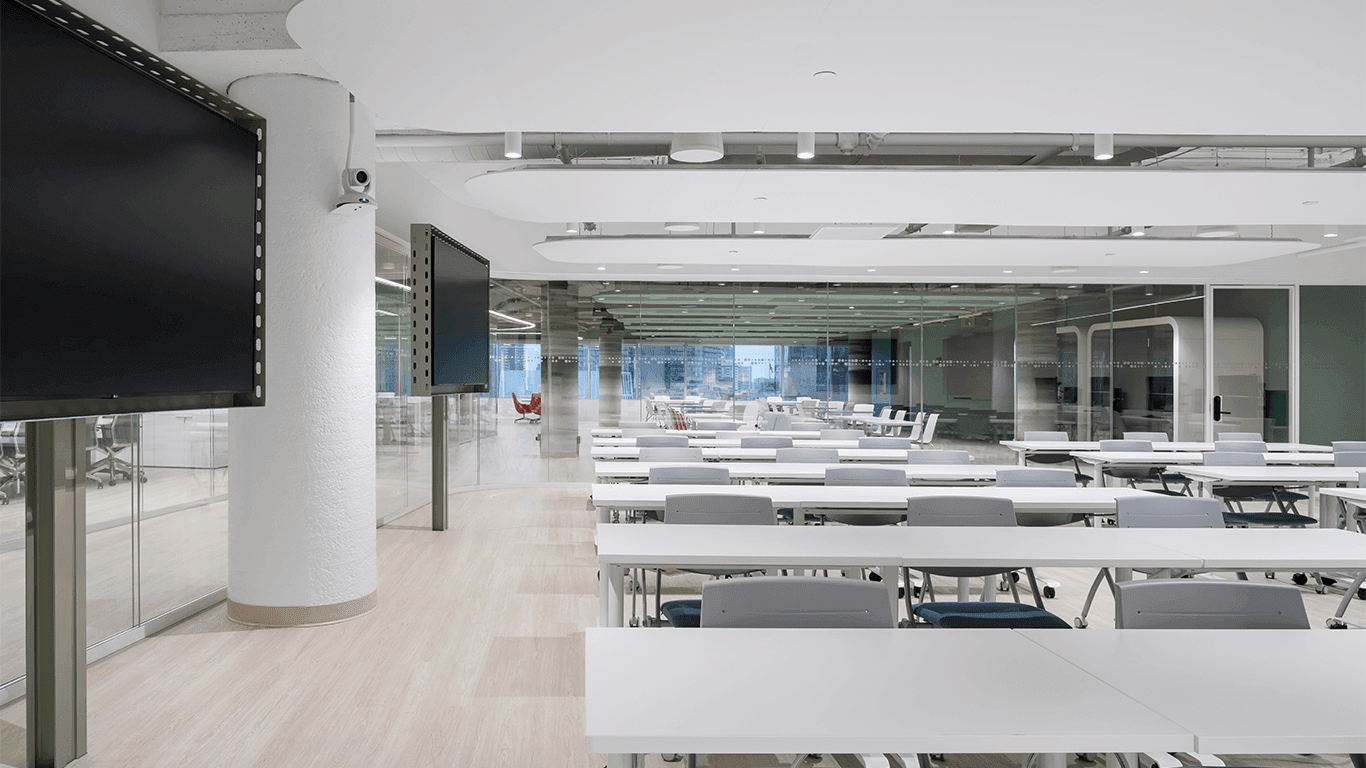
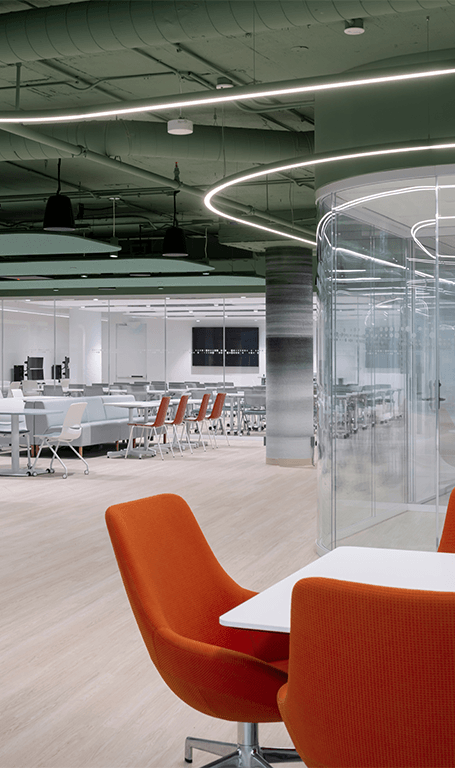
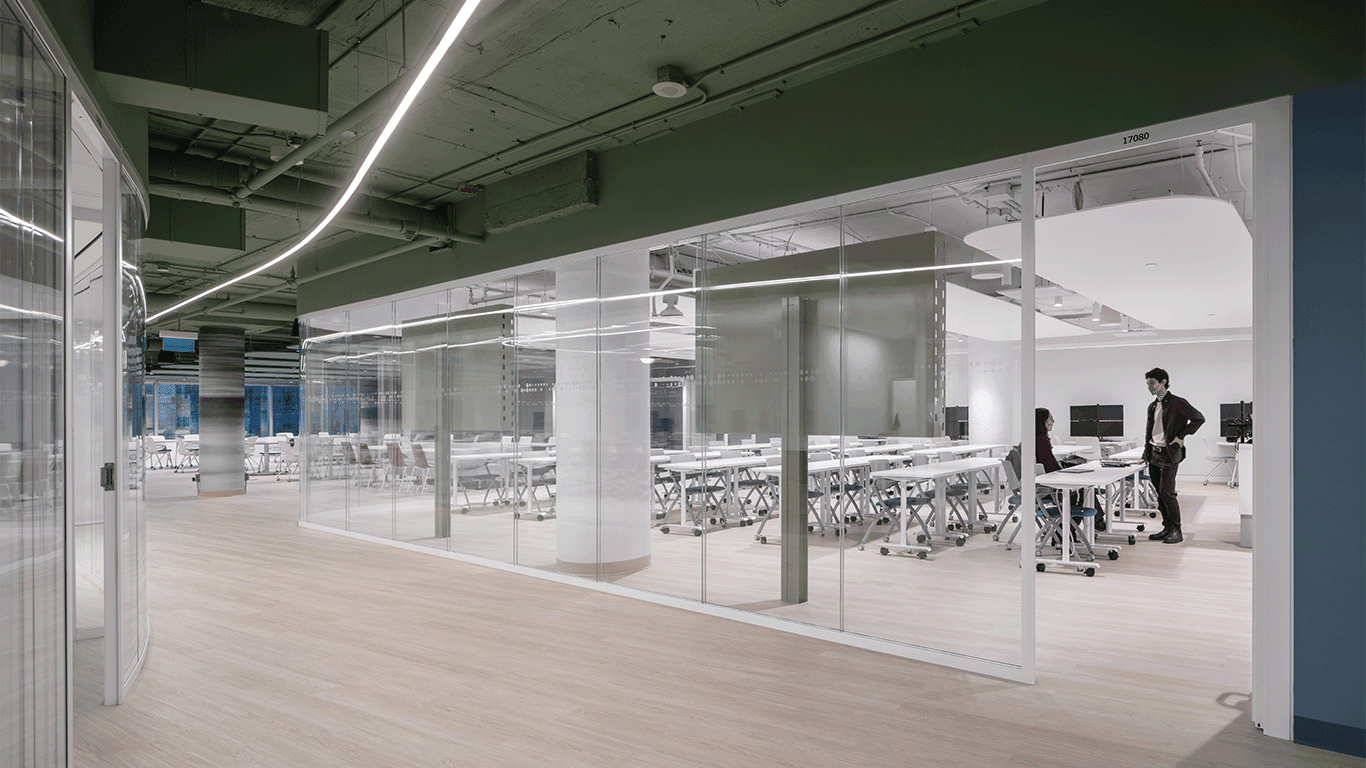
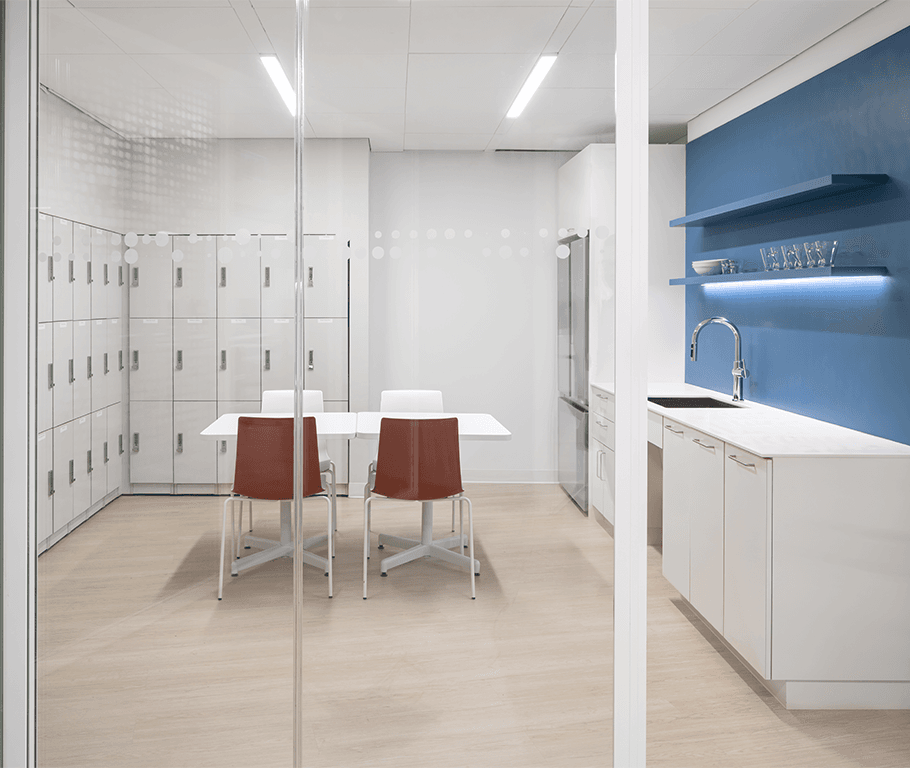
The 6,800-sf program encompasses various facilities for graduate students, such as a collaborative area equipped with meeting pods, a media wall, and a library, as well as a classroom/computer lab outfitted with Bloomberg stations and eight displays. The plan also includes a conference room, student and staff lounges and kitchens, administrative offices, and storage spaces.

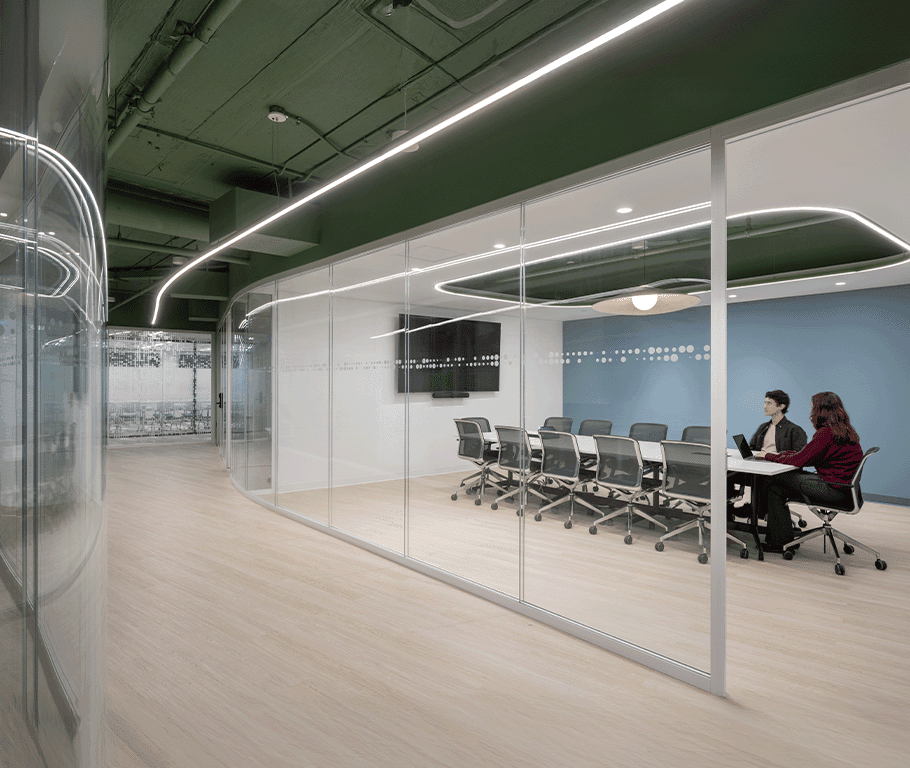
To honour and accommodate the collaborative ethos that underpins the department’s work, we designed a learning experience for students that emphasizes group collaboration. We exposed the ceilings to regain height and create a more spacious atmosphere. The incorporation of hanging felt acoustic panels not only adds visual interest but also contributes to sound attenuation. Moreover, large expanses of double-glazed glass along the main corridor and classrooms bathe the space in natural light, fostering a bright and vital ambiance.

Project Information

Type
Educational | Commercial
Location
Toronto, ON
Client
University of Toronto
Year
2024
Size
6,890 sf

Team
Tania Bortolotto, OAA, ARIDO, LEED AP
Alex Horber, OAA, LEED AP
Yukun Bai, OAA Intern

Awards & Press

Awards
Press
Master of Mathematical Finance, Toronto
Canadian Interiors, July 2025

Arts & Science Collaborative Hub

Working with the University of Toronto and Triovest, we undertook a complete redesign and fit-out of the 10th floor at 700 University Avenue. The objective of the project was to accommodate departments within the Faculty of Arts & Science that require an additional footprint while they pursue longer-term renovation and new building plans. 

We optimized floor area usage to ensure the effective use of space, with an emphasis on enhanced functionality or flexibility. Guided by key institutional principles related to user comfort and sustainability, we were also challenged to design a highly adaptable environment capable of evolving with different departments’ changing needs. We achieved this by integrating AV, IT, and power solutions within the raised floor and with the strategic positioning of wall partitions. This approach allows for spatial reconfigurations, as required, while providing a clean and efficient layout. 

The design balances both private and collaborative workspaces, ensuring maximum exposure to natural light. Workstations, private offices, and student learning areas are strategically arranged to enhance productivity and engagement. Shared spaces, including seminar and meeting rooms, as well as a common lounge, kitchen, work areas, and interview rooms offer versatility and encourage collaboration across disciplines.

Project Information

Type
Education | Commercial
Location
Toronto, ON
Client
University of Toronto
Year
2023
Size
28,113 sf

Team
Tania Bortolotto, OAA, ARIDO
Alex Horber, OAA
Yukun Bai, OAA Intern
Farah Elbatish, OAA Intern


Data Sciences Institute

The goal of this project was twofold: i) to create a multidisciplinary research hub for DSI researchers and industry partners, and ii) to renovate office spaces so as to accommodate academic and administrative units at the university that require additional space while long-term planning for new buildings continues.

We worked closely with the University to align with its broader vision for future development and address the pressing need to create a new institute. Through extensive stakeholder consultations, our team gained a deep understanding of the project’s challenges and explored multiple design approaches to create a dynamic and functional environment.

A primary focus of the design process was to create spaces that support study, collaboration, and social interaction while maximizing natural light and promoting occupant well-being. We integrated design features that align with key institutional principles related to user comfort and sustainability. We optimized floor area usage to ensure the effective use of space, with an emphasis on enhanced functionality or flexibility.

We were additionally challenged to design a highly adaptable environment capable of evolving with different departments’ changing needs. To achieve this, we embedded AV, IT, and power solutions within the raised floor and oversaw the strategic placement of wall partitions. This approach allows for reconfiguration as needed, while preserving a clean and efficient layout.

The design balances both private and collaborative workspaces, ensuring maximum exposure to natural light. Workstations, private offices, and student learning areas are strategically arranged to enhance productivity and engagement. Shared spaces, including seminar and meeting rooms, as well as a common lounge, offer versatility and encourage collaboration across disciplines and research activities.

Project Information

Type
Education
Location
Toronto, ON
Client
University of Toronto
Year
2023
Size
28,113 sf

Team
Tania Bortolotto, OAA, ARIDO, Lead Designer
Alex Horber, OAA, Project Architect
Yukun Bai, OAA Intern
Farah Elbatish, OAA Intern


Wilson and Wetmore Halls

This project at University of Toronto’s New College was divided into four key initiatives: the creation of new collaboration and socialization space for students in Wilson Lounge; the renovation of office and administrative spaces; accessibility enhancements across buildings; and fire alarm upgrades throughout the residential building. These improvements aimed to enhance student experiences, support academic and social engagement, and strengthen New College’s identity.

The Wilson Lounge was reimagined as a highly flexible space, accommodating studying, dining, and group gatherings of various sizes. Thoughtful design elements, including ample lighting, sound-absorbing materials, and strategically placed power distribution, ensure adaptability and comfort. The addition of collaboration and socialization spaces fosters interaction among students, creating an environment that supports both academic and extracurricular activities.

New College’s ethos of inclusion and collaboration was central to the design process, which hinged on extensive consultation with students, faculty, and staff. Focus groups and committees comprising student leaders, faculty, and facilities staff provided valuable input related to accessibility upgrades and space functionality. Each discrete project had a dedicated subcommittee that weighed in with recommendations and helped us refine the design, ensuring that the final result met the diverse needs of the community.

We synthesized these insights into a comprehensive design strategy, which was presented to a Building Committee made up of executive staff and student representatives. The resulting upgrades not only improve accessibility and administrative efficiency, but also reinforce New College’s commitment to fostering a connected, inclusive, and engaging student environment.

Project Information

Type
Education
Location
Toronto, ON
Client
University of Toronto
Year
2022
Size
8,170 sf

Team
Tania Bortolotto, OAA, ARIDO
Alex Horber, OAA
Jerry Lin, OAA
Sarah Fourie, OAA Intern
Elaine Welsher, OAA Intern
Yukun Bai, Junior Architect


St. Denis Catholic School

Our design for the addition at St. Denis Catholic School was driven by two key factors: the building’s orientation on the site and spatial constraints related to the property’s small lot size and steeply sloped incline. In order to work with these restrictions, preserve the existing play area, and bypass the logistical complexities of an at-grade addition, which would have compromised the classroom layout in the original building, we arrived at a creative solution: expand the second-storey library and use the surplus existing space to accommodate the new classroom requirements, ancillary spaces, and the corridors required to access the addition. 

Featuring integrated seating, a wood skin, and an elongated column, the exterior elements of the addition are part of the play space while the interior houses a new library and learning space. Two long bands of windows stretch across the curvilinear body, allowing light to pour into the classrooms. At the elevated level, students have a clear view of the treeline that surrounds the property, reinforcing a connection with nature throughout the day. 

To address the soil conditions and support this second-floor addition, we used deep helical pier foundations to avoid the time and cost required to undertake a large-scale excavation and underpinning of the existing building. In order to install new structural steel and reinforce the foundation of an occupied building, we took great care to devise a phasing and exiting strategy in one wing of the school to minimize disruptions to students, circulation, and the daily school schedule.

Project Information

Type
Education
Location
Toronto, ON
Client
Toronto Catholic School Board
Size
1,625 sf

Team
Tania Bortolotto, OAA, Lead Design Architect
Alex Horber, OAA, Project Architect


Rosalie Sharp Pavilion

Part of a campus of buildings belonging to the OCAD (Ontario College of Art & Design) University, the Rosalie Sharp Pavilion occupies a prominent site in downtown Toronto at the corner of Dundas and McCaul Streets, directly across from the Art Gallery of Ontario (AGO).
In response to the client brief, we designed a landmark building that functions as an interactive threshold at the northern edge of the McCaul Street campus corridor, reflecting the scale, massing, and form of the urban context, while reinforcing the university’s brand and presence.

The Pavilion is wrapped in a perforated stainless-steel scrim that represents both formal and technological innovation. The intricate laser-cut pattern is in fact a data visualization map of Toronto that reinterprets the city, highlighting art and design institutions, public art installations, and pockets of artist communities. The lacy structure gently peels away from the edges of the building, creating visual intrigue with its complex and compelling patterns and animating the street with views to students working on their art and design projects inside.

The addition of the Pavilion to the OCAD U campus represents a contextually responsive gesture that helps knit the larger community together architecturally, promoting greater cohesion and dynamism in the neighbourhood. Characterized by a harmonious integration of institutional, cultural, retail, and residential uses, this campus corridor provides an enriched urban experience for those who live, work, and study here. The Pavilion is a highly visible and expressive building that signals one’s arrival on campus, activates the streetscape, and heightens OCAD U’s identity. It is a fitting complement to the commercial galleries on the north side of Dundas Street, and in adopting an exterior expression that defers to Frank Gehry’s remaking of the AGO, it manifests a consistent architectural vocabulary along the south side of Dundas Street, conveying coherence and continuity. 

The project comprises a complete transformation of a building that formerly housed administrative offices into an efficient, student-centric, and largely open-concept plan. We retrofitted existing mechanical and electrical systems to meet a stringent sustainability mandate and pursued upgrades to deliver a high-performance envelope and cladding system. The interior conveys a raw industrial aesthetic — the material palette consists of concrete, masonry, glass, and steel — and features studios along with exhibition, meeting, and event spaces to expand digital and work-integrated learning.

The reimagining and reshaping of the Rosalie Sharp Pavilion, both inside and out, represents a significant advancement in OCAD U’s continued transformation of this important arts, education, and cultural precinct, reinforcing its unique position as Canada’s “university of the imagination.”

Project Information

Type
Education
Location
Toronto, ON
Client
OCAD University
Size
18,000 sf

Team
Tania Bortolotto, OAA, ARIDO
Alex Horber, OAA
Sara Miatello, OAA
Viviane Chan, OAA
Sarah Fourie, OAA Intern
Brian Muthaliff, OAA Intern


Pope Francis Catholic Elementary School & Childcare Centre

Our extensive work at Pope Francis Elementary School in Timmins, Ontario included a 15,500-sf addition that houses a lobby, a library, and classrooms as well as upgrades to the existing 23,400-sf elementary school and affiliated YMCA Child Care Centre. Ultimately, we doubled the size of the existing school by building a two-storey addition to the single-storey portion of the existing school and bridging that single storey to connect the second floors of both buildings. This required the strategic demolition and underpinning of the existing lower floor as well as coordinating the existing mechanical systems with the new system.

The building is organized in a radial plan, with three distinct wings extending from a central core that accommodates space for the kindergarten play areas. We undertook the strategic reconstruction and reorientation of the school’s main entrance and reorganized the overall site plan to improve the way the school interfaces with the neighbouring community and accommodates bus laybys.

Project Information

Type
Education
Location
Timmins, ON
Client
Northeastern Catholic District School Board
Size
23,400 sf

Team
Tania Bortolotto, OAA, ARIDO
Alex Horber, OAA
Brian Muthaliff, OAA Intern
Sara Miatello, OAA
Elaine Welsher, OAA Intern


Elizabeth Simcoe Junior Public School

The Toronto District School Board’s brief for this project identified the need for a new double gymnasium facility to replace the school’s existing facilities, which were undersized and outdated. The renovation scope included a new library, six new classrooms, a main office, a staff room, and the replacement of an existing roof.

Our new addition to house the gymnasium uses materials and colours that complement and integrate with the existing school building. Large windows introduce ample natural light while also enhancing safety by providing clear sightlines between the interior and exterior. Inside, wood-slatted acoustic ceilings create a warm and natural aesthetic while ensuring good sound quality for active use.

We transformed the school’s original — and now decommissioned — gymnasium into a bright and open library. The design reimagines the volume and introduces sculpted ceilings that create bold, expressive geometries. One area is a canted volume, and the other is a barrel vault that frames a new center for knowledge, inspiration, and community. We introduced new openings and glazing to allow daylight to filter in, thereby animating the interior and fostering an engaging atmosphere.

The reconfigured east wing of the school accommodates six new classrooms along with various instructional spaces. Designed for flexibility and future-ready learning, these environments are tailored to support a range of pedagogical approaches, integrating natural light, acoustic performance, and spatial efficiency.

We also introduced new sprinkler lines and a fire alarm system, upgraded the solid waste management system, undertook a Siporex roof replacement, and pursued an archeological assessment. 

With evidence of pre-contact settlements, we collaborated with archaeologists to involve Indigenous community members whose traditional territories may have originally encompassed the area. Our engagement began with a Stage 1 Archaeological Assessment, which was shared with Indigenous representatives for their insight and feedback.

Project Information

Type
Educational | Community
Location
Toronto, ON
Client
Toronto District School Board
Year
2025
Size
20,560 sf

Team
Tania Bortolotto, OAA, ARIDO, LEED AP
Alex Horber, OAA, LEED GA
John Budinsky, Dipl.Arch.Tech., BES
Yukun Bai, OAA Intern